
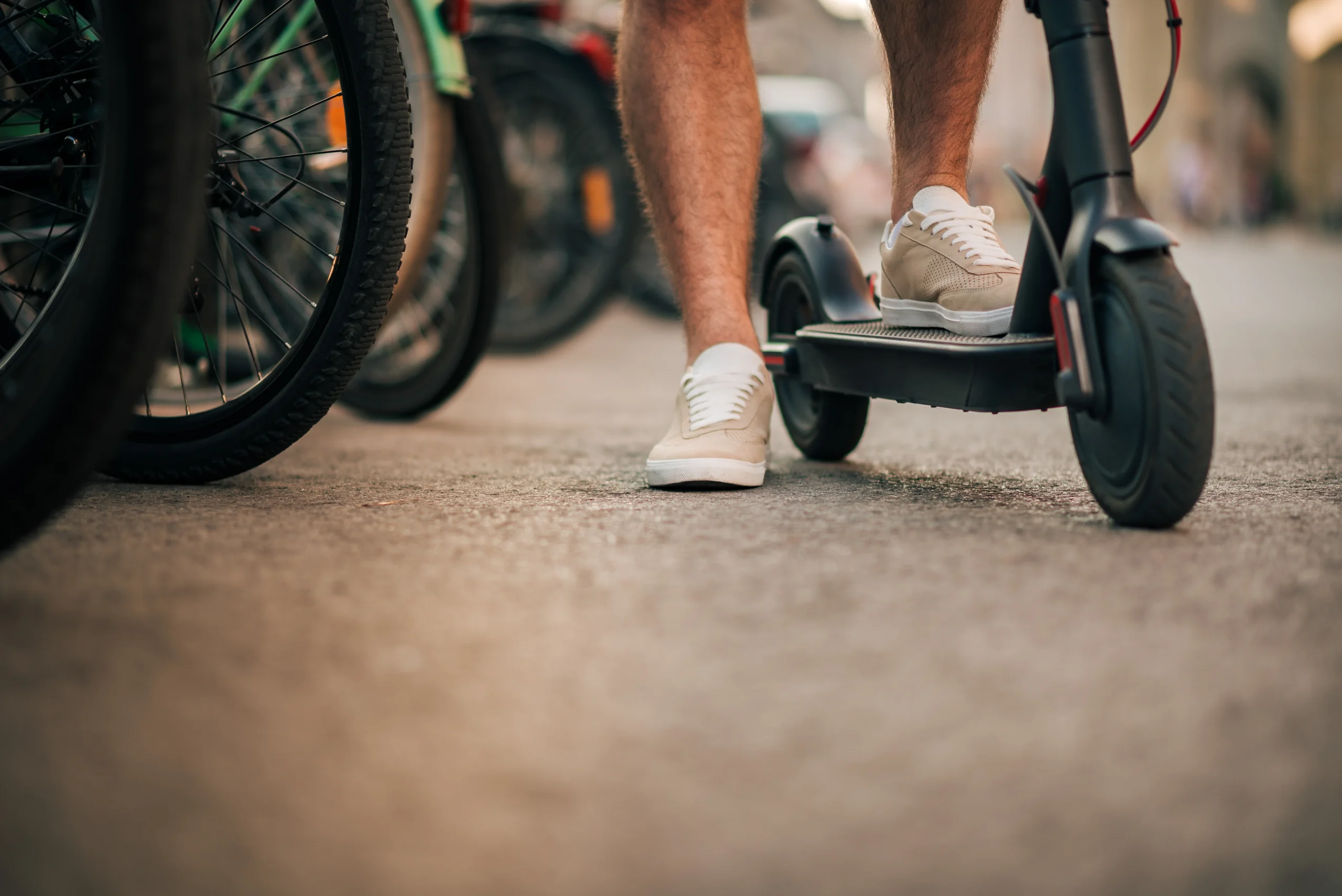
Navigating the bustling city streets on bicycles and electric scooters can be a thrilling experience. However, it’s essential to prioritize safety while enjoying the ride. This article will provide valuable insights into bicycle safety tips, essential safety gear, and how to ensure your journey on bicycles and electric scooters is as safe as possible.
City environments present unique challenges for cyclists and scooter riders. With congested traffic, unpredictable pedestrians, and varying road conditions, it’s crucial to be aware of potential hazards and how to manage them.
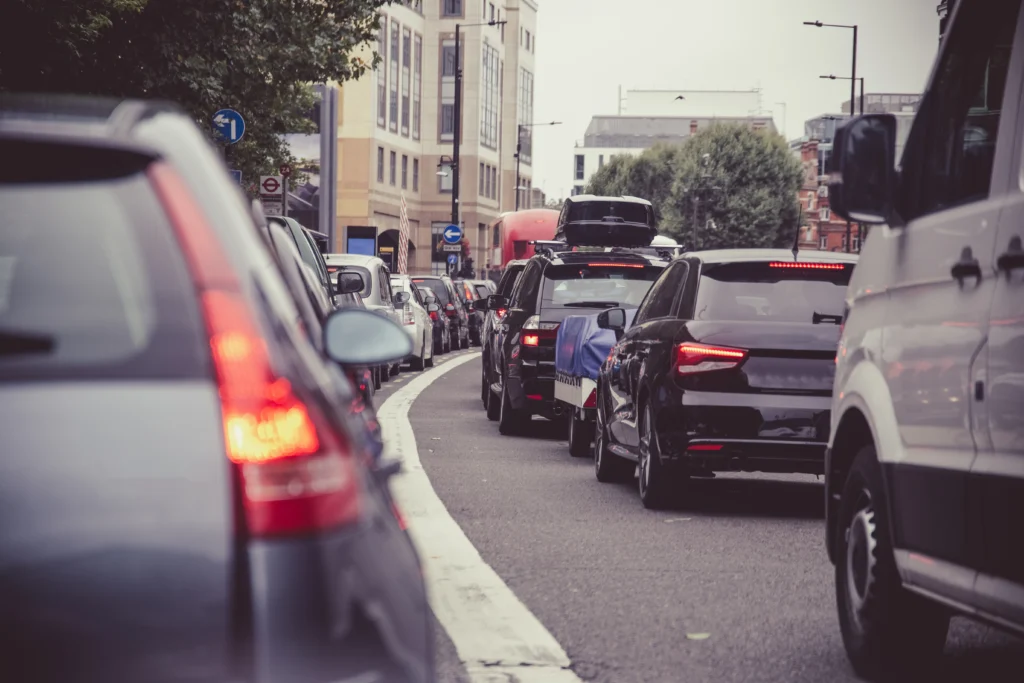
Urban areas are notorious for heavy traffic. Navigating through cars, buses, and trucks requires vigilance and quick reflexes. Roads can be uneven, with potholes, debris, or construction zones, all of which pose risks to riders.
In a city, pedestrians can appear unexpectedly, crossing roads without warning or walking along bike lanes. Being alert and prepared to stop or slow down is critical to avoiding accidents.
City weather can be unpredictable. Rain, fog, or snow can reduce visibility and make roads slippery, so it’s essential to adapt your riding style to the conditions.
Whether you’re commuting to work or enjoying a leisurely ride, following these safety tips can help keep you secure on your bicycle.
Cyclists should adhere to the same traffic rules as motor vehicles. This includes stopping at red lights, yielding to pedestrians, and using hand signals to indicate turns. Obeying these rules not only keeps you safe but also makes you a responsible rider in the eyes of other road users.
Wearing bright or reflective clothing can make you more visible to drivers, especially in low-light conditions. Additionally, use front and rear lights on your bicycle to enhance visibility.
Keep a safe distance from vehicles and other cyclists. This gives you enough time to react to sudden stops or changes in traffic flow. It’s also wise to avoid riding in the blind spots of larger vehicles like buses and trucks.
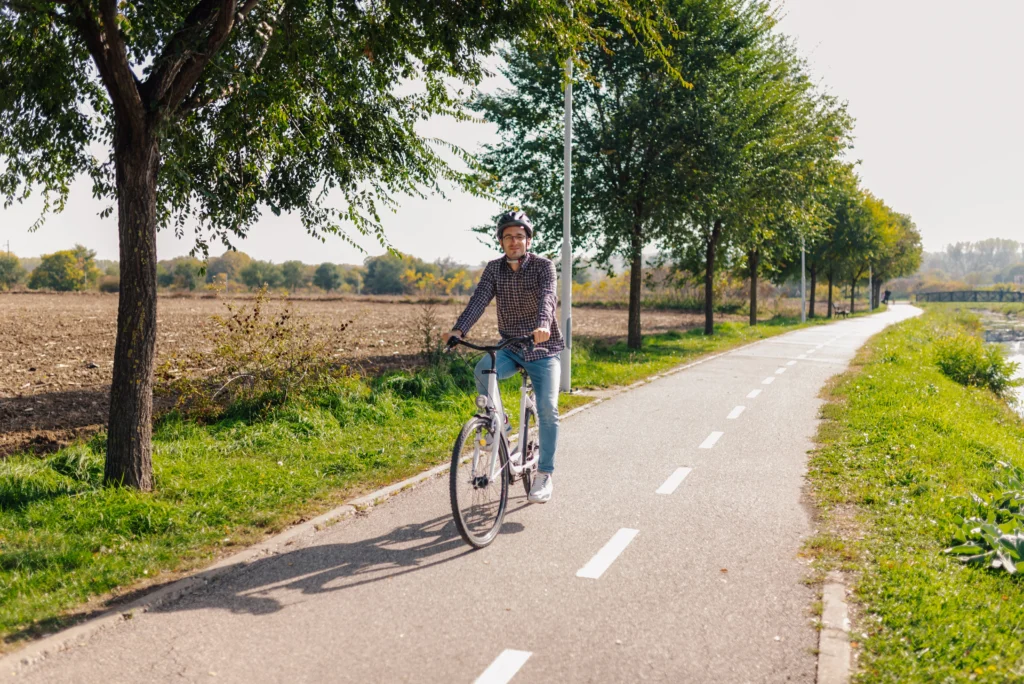
Stay alert and be mindful of what’s happening around you. Watch for opening car doors, pedestrians stepping into the bike lane, and other potential hazards. Listening to music or using your phone while riding can distract you, so it’s best to avoid these activities.
Equipping yourself with the right safety gear can significantly reduce the risk of injury in case of an accident.
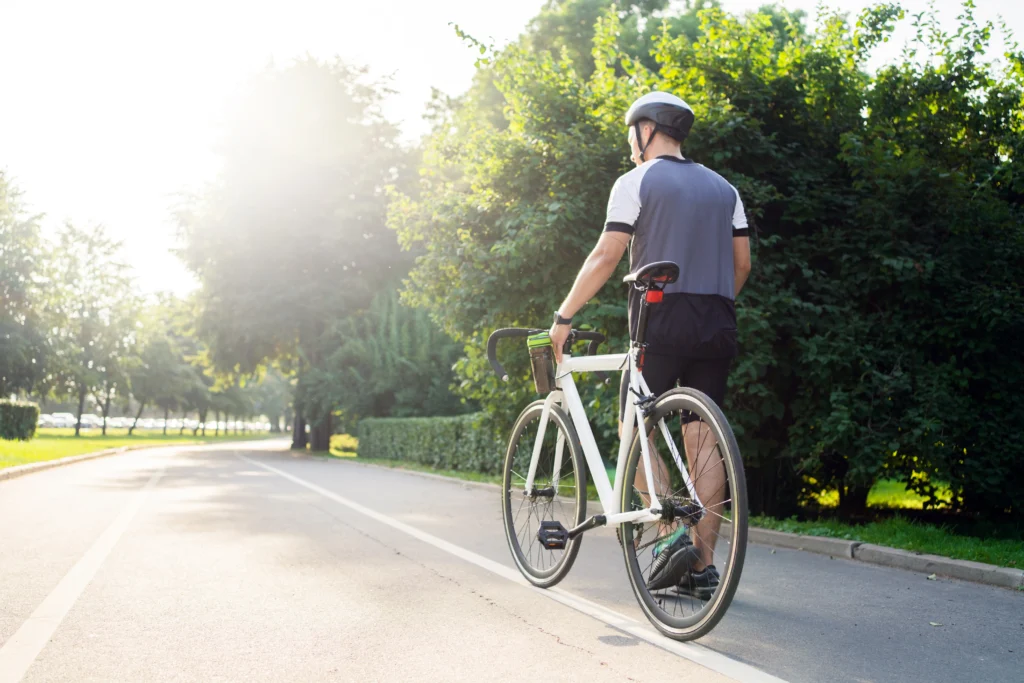
A well-fitted helmet is the most crucial piece of safety gear for any cyclist. It protects your head in the event of a fall or collision. Make sure your helmet meets safety standards and is worn correctly, covering your forehead and sitting level on your head.
Reflective vests, jackets, and ankle bands increase your visibility to drivers, especially during dawn, dusk, or nighttime rides. Consider adding reflective tape to your bike for added safety.
Front and rear lights are essential for visibility, while a bell or horn allows you to alert pedestrians and other cyclists of your presence. Regularly check that your lights are functioning correctly and replace batteries as needed.
Gloves offer protection for your hands and provide a better grip on the handlebars. Protective eyewear shields your eyes from dust, debris, and insects, ensuring a clear field of vision.
Electric scooters are becoming increasingly popular in urban areas for their convenience and eco-friendliness. However, safety should be a priority for scooter riders, just as it is for cyclists.
Before each ride, inspect your electric scooter for any mechanical issues, such as loose handlebars, faulty brakes, or low battery levels. Addressing these issues beforehand can prevent accidents.
Adopt a defensive riding style by anticipating the actions of other road users. Keep a safe distance from vehicles and be prepared to stop or swerve if necessary. Always use designated scooter lanes or bike paths when available.
Electric scooters can reach high speeds, so it’s essential to control your speed, especially in crowded areas. Adhering to speed limits helps prevent accidents and ensures you have enough time to react to unexpected situations.
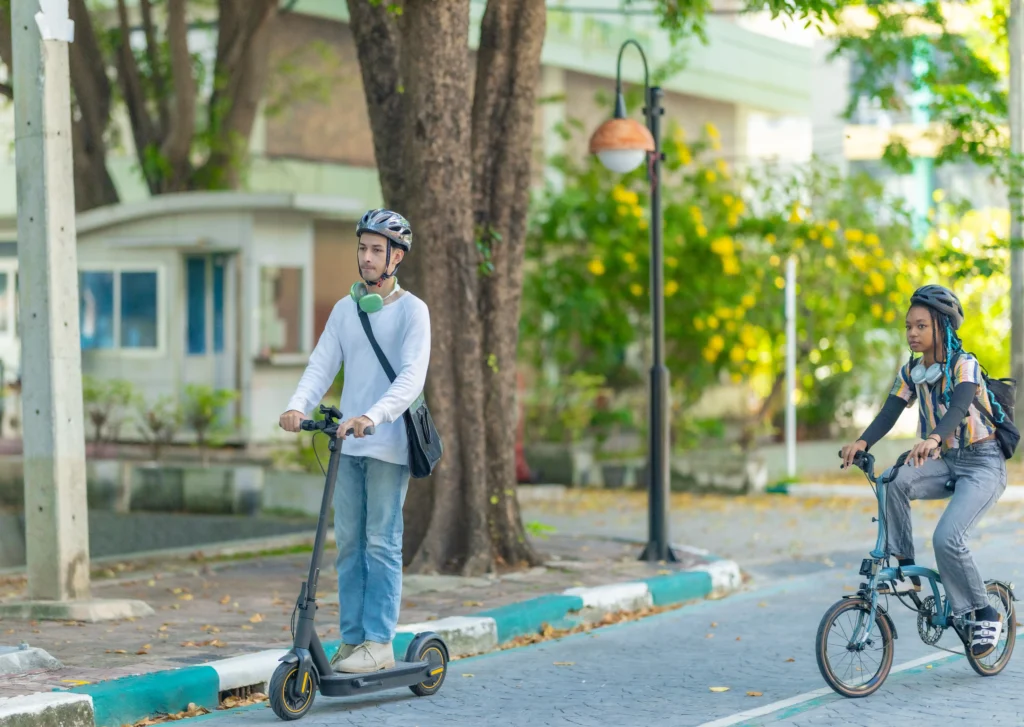
Just like cyclists, scooter riders should wear helmets and reflective clothing to protect themselves and enhance visibility. Additional gear, such as elbow and knee pads, can provide extra protection in case of a fall.
Promoting a culture of safety among cyclists and scooter riders benefits everyone. By encouraging responsible riding practices, we can reduce accidents and make city streets safer for all road users. Participate in local safety campaigns or workshops to learn more about safe riding practices and advocate for better infrastructure and policies that support cyclists and scooter riders.
Mutual respect between drivers, cyclists, and pedestrians is crucial for safety. By sharing the road and being considerate of one another, we can create a safer environment for everyone.
If you encounter hazards such as potholes, broken traffic lights, or obstructed bike lanes, report them to local authorities. Addressing these issues can prevent accidents and improve safety for all riders.
Safety on bicycles and electric scooters in the city is vital for a smooth and enjoyable riding experience. By understanding the challenges of urban riding, following safety tips, and using the right gear, you can significantly reduce the risk of accidents. Let’s work together to promote a safer culture for all road users and enjoy the benefits of cycling and scooter riding in the city.