
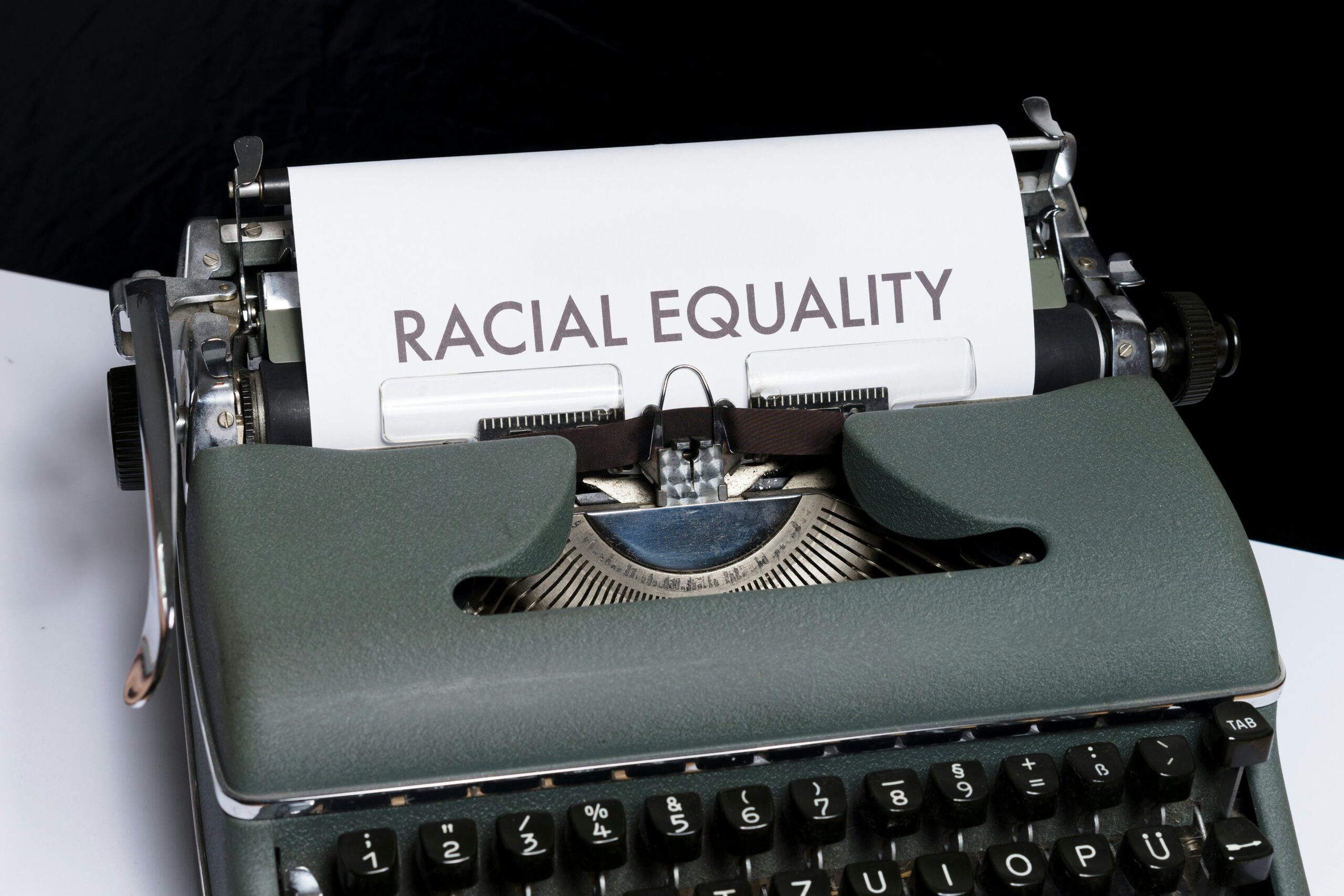
We instinctively value fairness, assuming that hard work guarantees equal opportunity. Yet, discrimination frequently operates not through open hostility, but through policies that quietly weigh down specific groups. Unlike internal prejudice, this involves actionable barriers based on protected characteristics like race or gender. In practice, good intentions do not always prevent exclusion, making it vital to distinguish between personal feelings and systemic impact.
How Hidden “Mental Shortcuts” Shape Our Daily Choices
To manage the thousands of decisions we face daily, our brains rely on rapid categorization tools rather than analyzing every detail from scratch. While this efficiency helps us survive, it creates “internal filters” that unconsciously color how we perceive others before they even speak. This automatic processing highlights the difference between prejudice and bias; while prejudice often involves a conscious, negative attitude, bias acts more like a hidden mental reflex that steers us toward familiar groups without our explicit permission.
In professional settings, these reflexes frequently manifest as unconscious bias in the workplace, such as a hiring manager instinctively preferring a candidate who shares their hobbies over one with better qualifications. Because these preferences operate below the surface, even well-meaning individuals struggle to identify their own blind spots. Researchers developed tools like the implicit association test for self-awareness to help reveal these hidden associations, proving that unfairness isn’t always intentional—it can be the first step in building wider systems that inadvertently exclude specific groups.
Identifying the “Sidewalks” of Inequality: Systemic vs. Direct Actions
While individual biases shape personal choices, discrimination becomes harder to spot when it is embedded in the rules themselves. Think of a builder constructing a sidewalk without ramps; they may not intend to exclude wheelchair users, yet the design blocks access. This illustrates the core of systemic racism and other types of systemic inequality: policies that appear neutral often produce unfair results. For instance, recognizing institutional racism in schools often begins by questioning dress codes that disproportionately penalize natural hairstyles.
To prevent these disparities, laws safeguard specific attributes against both direct mistreatment and exclusionary policies. These categories serve as legal boundaries, defining when unfair treatment shifts from rude to unlawful. What are protected characteristics? They generally include:
- Race, color, and national origin
- Religion or creed
- Sex, gender identity, and sexual orientation
- Age and disability status
Recognizing these categories helps identify how subtle behaviors accumulate into hostile environments.
Navigating the Workplace: From Microaggressions to Hostile Environments
Exclusion often acts like “papercuts”—subtle, repetitive comments known as microaggressions. While a single remark seems minor, the cumulative impact of microaggressions on mental health creates real barriers. When this behavior becomes pervasive enough to interfere with work, it constitutes a hostile work environment. Key signs of a hostile work environment include offensive jokes or intimidation that persist despite objections.
Addressing unlawful behavior requires evidence if you must escalate beyond HR. The Equal Employment Opportunity Commission guidelines suggest documenting every incident with dates and witnesses to support a claim. Reporting workplace harassment is a vital protective step, yet true equity requires moving beyond compliance toward proactive allyship.
Moving Toward Inclusion: Your 3-Step Plan for Allyship and Equity
Real fairness requires seeing the “overlapping layers” of people’s lives—the core of intersectionality theory. To build equity or enhance inclusive leadership training for managers, start simply:
- Educate yourself on intersectionality.
- Practice active listening.
- Speak up for others to show how to be an effective ally.