



Workplace Ergonomics
Set up workstations to promote good posture. Chairs should support the lower back, and computer screens should be at eye level. Encourage employees to take short breaks to stretch and rest their eyes.

Hazard Communication
Implement a hazard communication program to inform employees about chemical and physical hazards in the workplace. Ensure all containers are labeled properly and provide Material Safety Data Sheets (MSDS) for reference.

Personal Protective Equipment (PPE)
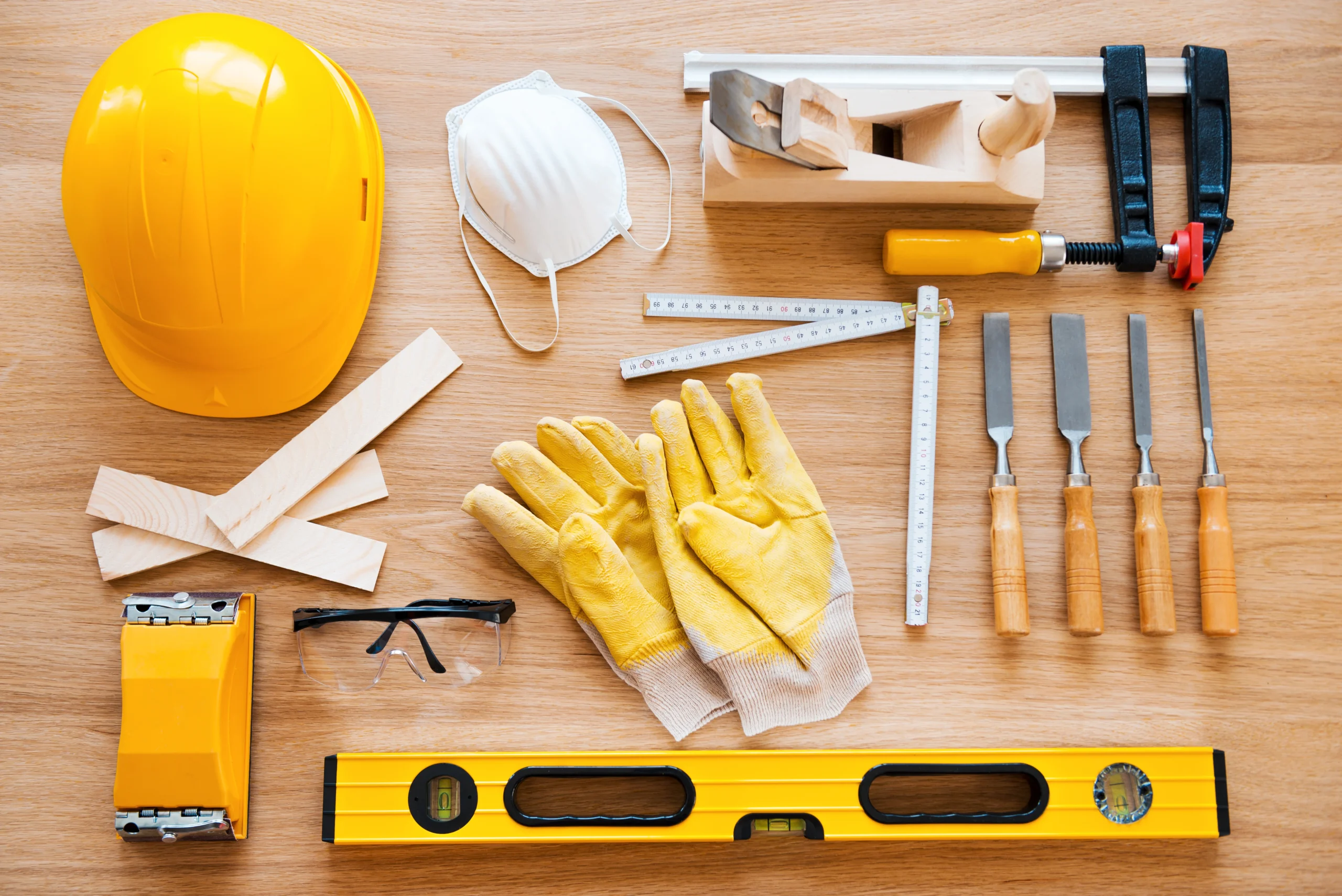
Ensure that employees have access to the necessary PPE, such as helmets, gloves, and eye protection, depending on the job requirements. Regularly inspect and maintain PPE to ensure it is in good working condition.

Safety Training
Conduct regular safety training sessions to keep everyone informed about the latest safety protocols and practices. Training should cover emergency procedures, the proper use of equipment, and how to report hazards. By adopting these safety tips and engaging in regular safety training, you can create a safer environment both at home and in the workplace. Prevention is always better than cure, and these practical measures can help you avoid accidents and protect yourself and others from harm. Remember, safety is a shared responsibility. Encourage open communication about safety concerns and foster a culture of safety awareness wherever you are.